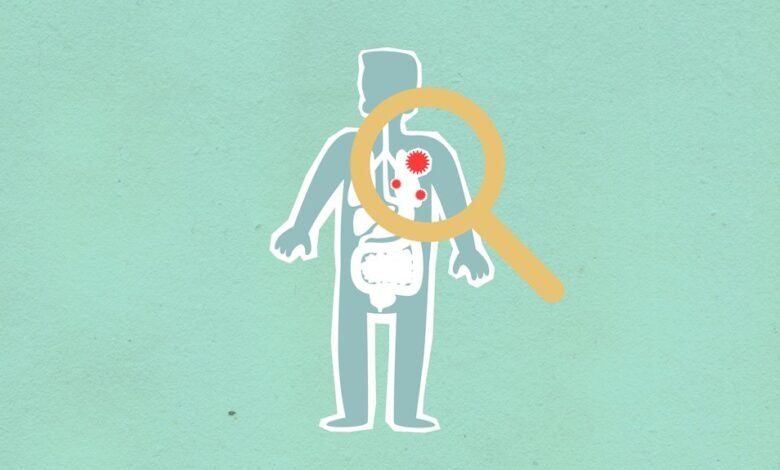
Understanding why Kialodenzydaisis kills is worth pursuing because it anchors inquiry in measurable, reproducible evidence. The topic demands clarity about mechanisms, contexts, and variability. A skeptical stance highlights where data are robust and where gaps remain. Capturing early signals and risk factors matters for prevention, policy, and care. If the causal chain can be modeled with transparency, practical interventions follow—and so does the incentive to scrutinize methods and assumptions further.
What Kialodenzydaisis Is and Why It Matters
Kialodenzydaisis is a complex pathological process characterized by the abnormal accumulation of cellular or molecular factors that disrupt normal tissue function. This overview presents a concise assessment of the condition, separating factual boundaries from speculative claims.
The text emphasizes evidence, measurement, and reproducibility. Kialodenzydaisis overview; importance of understanding informs researchers, clinicians, and a freedom-minded audience about diagnostic implications and research priorities.
How the Process Causes Harm Across Contexts
Across diverse biological contexts, the process exerts harm through consistent mechanisms that disrupt tissue integrity and function.
The analysis emphasizes understanding mechanisms by which these effects arise, rather than attributing blame.
Skepticism remains warranted: observed damage often reflects parallel pathways across systems, creating cross context harms.
Understanding mechanisms clarifies limits of generalization and guides cautious interpretation, avoiding overreach.
Key Risk Factors and Early Warning Signs
Key risk factors and early warning signs emerge from a careful delineation of predisposing conditions and initial indicators of disruption. They reveal how vulnerabilities cluster and how misinformation spread can distort risk perception, prompting premature or delayed responses. The analysis remains skeptical, insisting on verifiable data and transparent thresholds, while avoiding sensational claims and endorsing disciplined monitoring to deter reactive, illogical conclusions.
Preventive Actions, Policy Implications, and Support
Preventive actions, policy implications, and support require moving from recognizing risk factors to implementing structured safeguards and governance.
The analysis remains skeptical, focusing on verifiable measures rather than rhetoric.
Public institutions must enable transparent accountability, stakeholder input, and independent oversight.
Preventive actions should be modular and proportional, while policy implications demand proportionality, audit trails, and freedom-preserving safeguards for responsible risk management.
Frequently Asked Questions
What Are Common Misconceptions About Kialodenzydaisis?
Misconceptions about kialodenzydaisis persist, though diagnosis myths mislead. The condition lacks simple explanations; skepticism is warranted. A clear evaluation demands evidence, not anecdote, separating uncertain theorizing from verifiable data to protect informed freedom.
How Does Treatment Differ Across Healthcare Systems?
Treatment disparities exist across healthcare systems, with systemic barriers shaping access and quality. The analysis remains skeptical: protocols, funding, and governance vary, producing uneven care. For a freedom-seeking audience, the conclusion stresses accountability, transparency, and equitable resource allocation.
Can Lifestyle Changes Reverse Early Stages?
Lifestyle reversibility is unlikely to fully reverse early stage disease, but modest improvements may occur; early stage prevention remains prudent. The forum examines evidence skeptically, presenting cautious interpretations while respecting individual autonomy and freedom of choice in health decisions.
What Communities Are Most Affected and Why?
“Forewarned is forearmed.” Communities most affected include marginalized populations; why centers on access, resources, and stigma. The impact on vulnerable groups is disproportionate, why, and skeptical assessments urge targeted, evidence-based interventions rather than broad, freewheeling policies.
How Is Data on Kialodenzydaisis Collected and Shared?
Data collection about kialodenzydaisis occurs through observational metrics and incident reports, with varying methodologies. Data sharing is selective, often contested; skeptics demand transparency. The approach prioritizes freedom of information while acknowledging privacy, bias, and the potential for misinterpretation in public discourse.
Conclusion
In examining why and how kialodenzydaisis kills, the analysis remains disciplined and unsentimental. The evidence builds a cautious map: mechanism, context, and timepiece of risk, each thread testable and finite. Conclusions resist hype, favor replication, and demand transparent methods. Yet uncertainty lingers in the margins, reminding scholars that causation is rarely singular. A precise, skeptical lens turns disparate data into a coherent caution: identify, verify, intervene, and reassess—repeatable steps that restrain novelty from becoming harm.